Call Now – Protect Your Home from Mold!
Learn why mold—alive or dead—can harm your health.
Learn why mold—alive or dead—can harm your health. Discover the risks and toxicity of mold exposure to protect your home and well-being. Mold health risks
3/28/20262 min read
Live and Dead Mold: Understanding the Hazards
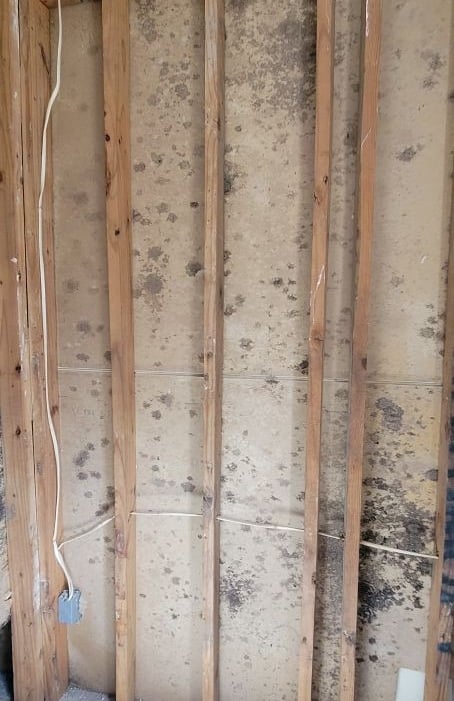
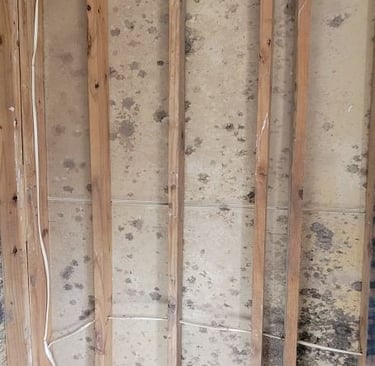
It’s a common misconception: If the mold is dead, it’s no longer dangerous. But in reality, both live and dead mold can impact your indoor air quality — and your health.
At Mold Consultant Group, we help homeowners throughout Montgomery, The Woodlands, Spring, Conroe, Willis, Tomball, Magnolia, and Cypress identify and remove all mold contamination — whether it’s active or dormant. Here's what you need to know about the hidden risks of dead mold.
🧫 What’s the Difference Between Live and Dead Mold?
🔵 Live Mold
Grows in moist environments
Reproduces by releasing spores into the air
Can spread to other areas and cause visible damage
⚪ Dead Mold
No longer growing due to dryness or chemical treatment
Still contains spores and fragments that can become airborne
May still carry mycotoxins, especially from toxigenic species
Bottom line: Dead mold isn't harmless — and it can still affect your air and health.
🫁 Health Risks from Live Mold
Live mold is a known irritant and allergen that can cause:
Sneezing, rashes, and sinus irritation
Asthma flare-ups and breathing difficulties
Fungal infections in immunocompromised individuals
Exposure to mycotoxins, particularly from species like Stachybotrys chartarum (black mold)
⚠️ Why Dead Mold Still Matters
Even though it’s no longer growing, dead mold can still cause:
🌬️ Airborne Irritants
Dead mold fragments and spores can still:
Become airborne during cleaning, movement, or HVAC activity
Be inhaled into the lungs
Cause the same allergic or respiratory symptoms as live mold
🧪 Residual Mycotoxins
Some molds leave behind toxic byproducts that can linger on surfaces long after the mold has died.
🔁 Risk of Regrowth
If moisture returns, previously dormant mold can reactivate and start spreading again.
🧰 Proper Mold Removal Is Key — Not Just Killing It
To truly resolve a mold issue, both live and dead mold must be removed, not just treated.
Here’s what we recommend:
Physical removal of contaminated materials like drywall, insulation, or carpet
HEPA vacuuming to capture fine spores and particles
Disinfecting with mold-specific cleaning agents (not just bleach!)
Containment and air filtration during cleanup to prevent cross-contamination
Post-remediation clearance testing to ensure it's safe to reoccupy
At Mold Consultant Group, we follow IICRC S520 standards and Texas state regulations for proper mold documentation and verification.
📍 Serving: Montgomery | The Woodlands | Spring | Conroe | Willis | Tomball | Magnolia | Cypress
📞 Concerned About Mold — Dead or Alive?
Call 832-280-4747 or schedule a professional mold inspection at www.moldconsultantgrp.com
If it’s in your air, it’s in your lungs — even if it’s not growing. Let’s get it out the right way.
This information is provided for educational purposes only. For property-specific recommendations, professional mold testing is recommended.
Mold Consultant Group, LLC
Contact:
info@moldconsultantgrp.com
832-280-4747
© 2026. Mold Consultant Group All rights reserved.
Mold Inspections
Water Damage Inspections
Air Quality Testing
Mold Testing and Identification
Mold Assessments
Mold Protocols
Comparative remediation and repair estimates
Mold Consultant Group
PO Box 206, Montgomery TX 77356
Service Area: The Woodlands, Spring, Conroe, TX & surrounding areas
HOURS:
Monday thru Thursday 9 AM - 5 PM
Friday 9 AM - 4 PM
Saturday - By Appointment
Services
Get a Free Mold Assessment Recommendation