TDLR Licensed MAC #1963 · Independent · No Remediation Conflict
Schedule a Free Consultation - Call 832-280-4747
<span>Licensed Mold Testing & Inspection in The Woodlands, TX</span>
Call to Schedule 832-280-4747<a href="tel:8322804747">📞<span>Licensed Mold Testing & Inspection in The Woodlands, TX</span>
<a href="tel:8322804747">📞 832-280-4747 — Free
How the Houston Area's Humidity Compares to the Rest of the Country
Houston Area's Humidity tops 85% in summer. Learn how that compares nationally, why it creates year-round mold risk, and how to protect your home's air quality.
HOUSTON HOME HEALTH
Brian Boone
5/14/20263 min read
If you've ever stepped off a plane in Houston after visiting a drier city, you felt it immediately — the thick, heavy air that presses in from all sides. It's not your imagination. The Houston metropolitan area, including communities like The Woodlands, Spring, and Conroe, is one of the most persistently humid regions in the United States. And that matters far more to your home's health than most people realize.
Just How Humid Is It?
The average relative humidity in the Greater Houston area hovers between 65% and 75% annually, with summer months routinely topping 85%. Compare that to the national average relative humidity of around 55% to 65%, or the notably drier climates of cities like Denver (around 40%) or Phoenix (under 30%).
The consequences for your home are significant. The EPA recommends keeping indoor relative humidity between 30% and 50% to discourage mold growth and dust mite activity. In Houston, maintaining that range requires active effort — good HVAC performance, proper ventilation, and often a supplemental dehumidifier. Without it, your indoor environment can exceed the threshold where mold becomes a serious risk for much of the year.
What Happens When Indoor Humidity Gets Too High
Mold thrives when relative humidity exceeds 60%, and it can begin colonizing within 24 to 48 hours on wet or persistently damp surfaces. But the problems don't stop at mold. Elevated indoor humidity also:
• Encourages dust mite populations, a major trigger for asthma and allergies.
• Causes wood structures and furniture to swell, warp, and degrade over time.
• Reduces your HVAC efficiency, forcing it to run longer to cool air that is also dense with moisture.
• Creates musty odors — often the first sign that something biological is growing in your walls, floors, or ceiling cavities.
Houston vs. Other High-Humidity Cities
Houston frequently ranks among the most humid large cities in America, alongside New Orleans, Miami, and Jacksonville. What sets Southeast Texas apart, however, is the combination of high humidity with high summer temperatures and relatively mild winters — conditions that mean the mold season here is not limited to a few wet months. For a significant portion of the year, indoor air quality management is a year-round job.
Cities in the Northeast experience humidity spikes in summer but see dry, cold winters that naturally interrupt mold growth cycles. In the Pacific Northwest, it rains frequently but temperatures stay cooler, limiting the warmth that accelerates mold colonization. Houston offers moisture and warmth in abundance, often at the same time.
What This Means Practically for Homeowners
Understanding the local humidity picture should inform several decisions you make about your home:
• Your air conditioner is also a dehumidifier. If your AC is oversized or not properly maintained, it may be cycling off before it adequately removes moisture from indoor air. This is a common cause of humidity problems even in otherwise well-functioning homes.
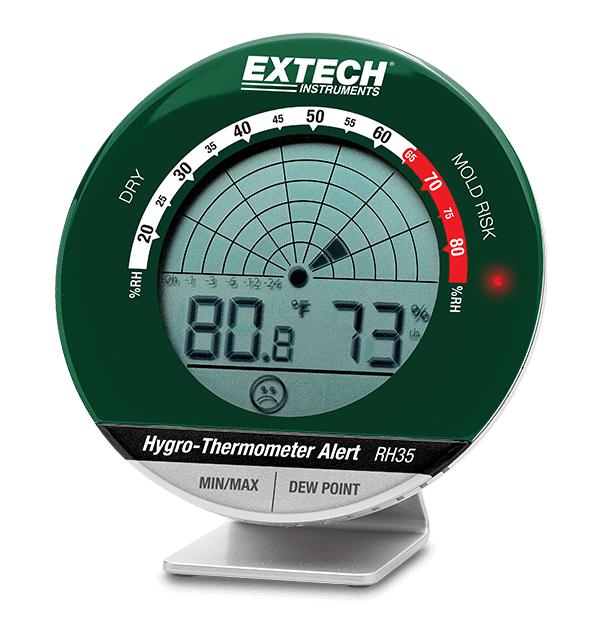
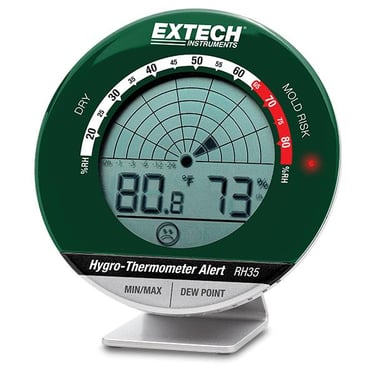
• A standalone dehumidifier may be necessary in spaces like basements, bonus rooms over garages, or areas with limited airflow. Keeping a humidity gauge (hygrometer) in key rooms lets you monitor conditions directly.
• After flooding or water intrusion events, drying out quickly is not just about preventing water damage — it's about preventing mold from establishing itself in wall cavities and insulation before it can be seen.
When to Get Indoor Air Quality Testing
If you've noticed persistent musty odors, unexplained allergy symptoms that improve when you leave home, or visible moisture issues such as condensation on windows or wet spots on walls — these are signs worth investigating. An independent indoor air quality and mold assessment can identify whether elevated spore levels are present and help pinpoint the source.
Mold Consultant Group provides licensed mold testing and air quality assessments throughout Montgomery County and the Greater Houston area. Because we do not offer remediation services, our findings are completely unbiased.
Call 832-280-4747 or visit moldconsultantgrp.com to schedule an assessment.
How the Houston Area's Humidity Compares to the Rest of the Country — And Why It Matters for Indoor Air Quality here...
This information is provided for educational purposes only. For property-specific recommendations, professional mold testing is recommended.
You Might Also Find Helpful:
→ Mold Prevention in High-Humidity Areas —
/mold-prevention-how-to-maintain-a-mold-free-environment-in-high-humidity-areas
→ How Mold Affects Your HVAC System —
→ Why Mold Growth Is an Issue in Indoor Environments —
Mold Consultant Group
Independent Mold Testing & Iinspection in The Woodlands, TX.
TDLR Licensed MAC #1963.
PO Box 206, Montgomery TX 77356
Company
Hours
Mon–Thu: 9AM–5PM
Friday: 9AM–4PM
Saturday: By Appt
© 2026 Mold Consultant Group, LLC. All rights reserved.
Privacy Policy · Terms of Service · Disclaimer
TDLR MAC #1963 · MRC #0223 · IICRC Master Cleaner #266