TDLR Licensed MAC #1963 · Independent · No Remediation Conflict
Schedule a Free Consultation - Call 832-280-4747
<span>Licensed Mold Testing & Inspection in The Woodlands, TX</span>
Call to Schedule 832-280-4747<a href="tel:8322804747">📞<span>Licensed Mold Testing & Inspection in The Woodlands, TX</span>
<a href="tel:8322804747">📞 832-280-4747 — Free
How Mold Affects HVAC Systems
Mold inside your HVAC spreads spores to every room. Learn how it starts, the warning signs, and what Texas homeowners should do to protect their system and air quality. How mold affects HVAC.
4/13/20264 min read
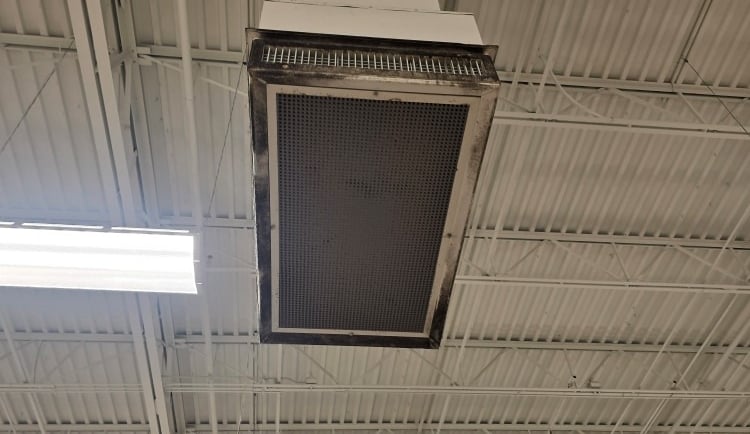
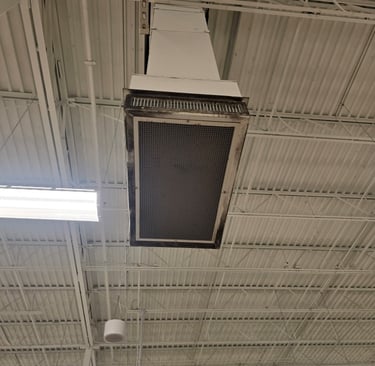
How Mold Affects HVAC Systems
What Houston Homeowners Need to Know
In Southeast Texas, air conditioning isn't a luxury — it's a necessity that runs for eight or more months of the year. That near-constant operation means your HVAC system is continuously processing warm, humid air and pulling moisture out of it. Under normal conditions, that's exactly what it's supposed to do. But when something goes wrong with drainage, airflow, or maintenance, your HVAC can become one of the most efficient mold distribution systems in your home.
At Mold Consultant Group, mold originating in or spreading through HVAC systems is among the most common findings we encounter in our assessments throughout The Woodlands, Spring, Conroe, and Montgomery County. Understanding how it happens — and what to do about it — is one of the most important things a Houston-area homeowner can know.
How HVAC Systems Create Ideal Mold Conditions
Your air conditioning system cools warm indoor air by passing it over an evaporator coil. As warm air contacts the cold coil surface, moisture condenses — the same way a cold drink sweats on a humid day. That condensate is supposed to drain through a drain pan and condensate line to the exterior or a floor drain. When that drainage pathway is working properly, moisture exits the system and mold never gets a foothold.
The problem develops when any part of that moisture pathway fails. A clogged condensate drain line — one of the most common HVAC maintenance issues in humid climates — allows condensate to back up in the drain pan. Once the pan overflows, moisture accumulates inside the air handler cabinet, soaking insulation, wetting metal surfaces, and creating the persistent damp environment where mold thrives. In extreme cases, overflow can also drip into the wall cavity or ceiling below the unit, extending the contamination zone.
Why HVAC Mold Is Especially Concerning
Mold growth in an HVAC system is more serious than mold in a single room for one key reason: the system actively distributes air throughout your home. Every time the blower runs, it passes air through the contaminated zone and carries spores through your ductwork into every room with a supply vent.
This means occupants may be experiencing elevated mold spore exposure in rooms that show no visible signs of contamination, and the source may never be visually obvious. It also means that treating a room-level mold problem without inspecting the HVAC system can result in recontamination after remediation is complete.
Warning Signs of HVAC Mold
• A musty or earthy smell that intensifies when the air conditioner turns on and diminishes shortly after it cycles off.
• Visible dark staining or fuzzy growth around supply vents, on vent covers, or on the air handler cabinet.
• Condensate drain line that is not dripping outside, or a drain pan with standing water visible during maintenance access.
• Household members with allergy or respiratory symptoms that are worse at home than outdoors, or that worsen in certain rooms served by specific vents.
• A recent HVAC inspection that noted the drain pan was full or the condensate line was blocked.
Common HVAC Mold Locations
In our assessments, we most commonly find mold growth in these specific locations within HVAC systems:
• Drain pan and condensate overflow area — the primary accumulation point for stagnant water.
• Evaporator coil — the coil surface itself can accumulate organic debris and moisture, providing an ideal growth surface.
• Interior walls of the air handler cabinet — fiberglass insulation lining is particularly susceptible.
• Flexible ductwork connections near the air handler — these often collect condensation and debris.
• Supply plenum — the chamber immediately downstream of the air handler where mold can colonize and continuously release spores into the airstream.
What an Independent HVAC Mold Assessment Involves
When we assess a potential HVAC mold issue, we inspect the air handler, drain pan, and accessible ductwork visually and with moisture detection equipment. We collect air samples from indoor living areas and, when appropriate, directly from the duct system for comparison. Surface sampling of suspected growth sites confirms species and density.
This information determines whether mold is present, how extensively the system is affected, and whether the remediation protocol needs to include HVAC cleaning and duct treatment — not just surface work in visible rooms.
What Should Be Done
HVAC mold remediation requires coordination between a licensed mold remediation contractor and your HVAC service technician. The moisture source — typically the drainage issue — must be corrected first. Then the affected components are cleaned or replaced according to an assessor-developed protocol. After work is complete, independent post-remediation clearance testing confirms that spore levels in the living areas have returned to acceptable ranges.
If you've noticed any of the warning signs above, or if your HVAC system has not been professionally inspected and serviced in the past 12 months, contact Mold Consultant Group for an independent assessment. We serve The Woodlands, Spring, Conroe, and Montgomery County. Call 832-280-4747 or visit moldconsultantgrp.com.
Serving Montgomery | The Woodlands | Spring | Conroe | Willis | Tomball | Magnolia | Cypress
📞 Worried About Mold in Your Air System?
Call 832-280-4747 or schedule a mold inspection at www.moldconsultantgrp.com
Protect your air. Protect your health. Let’s make sure your HVAC system isn’t spreading more than comfort.
This information is provided for educational purposes only. For property-specific recommendations, professional mold testing is recommended.
You Might Also Find Helpful:
→ Mold Prevention in High-Humidity Areas
→ Why Moisture Mapping & Infrared Imaging Are Game-Changers
→ Why DIY Mold Testing Kits Fall Short
https://moldconsultantgrp.com/why-diy-mold-home-testing-kits-fall-short
Mold Consultant Group
Independent mold testing & inspection in The Woodlands, TX.
TDLR Licensed MAC #1963.
PO Box 206, Montgomery TX 77356
Company
Hours
Mon–Thu: 9AM–5PM
Friday: 9AM–4PM
Saturday: By Appt
© 2026 Mold Consultant Group, LLC. All rights reserved.
Privacy Policy · Terms of Service · Disclaimer
TDLR MAC #1963 · MRC #0223 · IICRC Master Cleaner #266