TDLR Licensed MAC #1963 · Independent · No Remediation Conflict
Schedule a Free Consultation - Call 832-280-4747
<span>Licensed Mold Testing & Inspection in The Woodlands, TX</span>
Call to Schedule 832-280-4747<a href="tel:8322804747">📞<span>Licensed Mold Testing & Inspection in The Woodlands, TX</span>
<a href="tel:8322804747">📞 832-280-4747 — Free
Concerns About Mold Growth in Home or Office
Discover why you should be concerned about mold growth in your home or office. Learn the potential health risks and the importance of addressing mold in your living and working environments.
INDOOR AIR QUALITY
Brian Boone
3/20/20266 min read
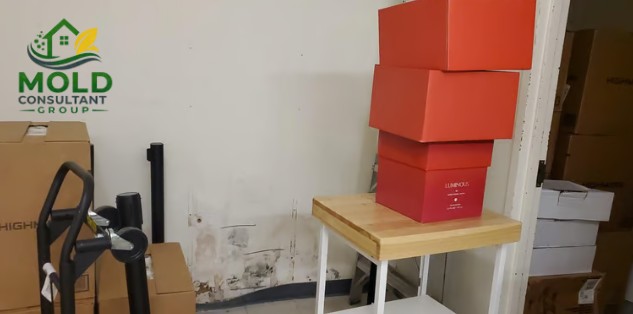
Why Mold Grows Indoors — And What Texas Homeowners Need to Know
By Brian Boone | Mold Consultant Group | TDLR Licensed MAC #1963
Mold is a natural part of the outdoor environment. It breaks down organic matter, cycles nutrients, and has been doing so for hundreds of millions of years. The problem starts when mold moves indoors — and in a climate like Southeast Texas, that happens more often than most homeowners expect.
At Mold Consultant Group, we’ve assessed hundreds of properties across Montgomery County and the greater Houston area. What we’ve learned is this: mold doesn’t need a flood to take hold. It needs moisture, a surface to grow on, and time. In our region, those conditions exist year-round.
This post explains why indoor mold is a serious concern, how it gets into your home, and what you can do to reduce your risk.
How Mold Gets Into Your Home
Mold reproduces by releasing microscopic spores into the air. These spores are invisible to the naked eye and virtually impossible to eliminate from any indoor environment. They travel through open windows and doors, hitch rides on clothing, shoes, and pet fur, and circulate through HVAC systems.
Spores alone don’t cause a mold problem. The issue begins when spores land on a damp or wet surface and find the conditions they need to germinate and grow. In most cases, that means:
• A moisture source — a leak, condensation, high humidity, or water intrusion
• An organic surface to feed on — drywall, wood framing, insulation, carpet, or paper
• Warmth — mold thrives between 60°F and 80°F, which describes most Texas interiors
• Time — mold can begin colonizing within 24 to 48 hours of moisture exposure
In the Houston area, where outdoor relative humidity regularly exceeds 75 to 85 percent during spring and summer, homes are under constant moisture pressure. Even a minor plumbing drip behind a wall or a poorly ventilated bathroom can create the conditions mold needs.
Why Indoor Mold Is a Serious Problem
Health Effects
Mold’s health effects vary based on the species, the level of exposure, and the individual. For most people, low-level mold exposure causes irritation — runny nose, itchy eyes, sneezing, or a persistent cough. For others, the effects are more significant.
People with asthma may experience more frequent or severe attacks. Those with mold allergies may have ongoing symptoms that don’t respond to typical allergy treatments. Individuals with compromised immune systems — including infants, the elderly, and those undergoing chemotherapy or immunosuppressant therapy — are at higher risk for serious respiratory infections.
Certain mold species, including Stachybotrys chartarum (commonly called black mold), produce mycotoxins — chemical compounds that can cause neurological symptoms, chronic fatigue, and respiratory distress in high-exposure situations. While the science on mycotoxin illness is still developing, most health authorities agree that exposure to high concentrations of any mold is a health concern worth taking seriously.
Structural Damage
Mold doesn’t just sit on a surface — it eats through it. Mold feeds on the cellulose found in drywall, wood framing, OSB sheathing, and paper-faced insulation. Over time, colonized materials lose structural integrity. In severe cases, wall assemblies, floor joists, and roof decking can be damaged to the point of requiring full replacement.
The longer mold goes undetected, the more material it consumes — and the more expensive the remediation. A small, early-stage mold problem that might cost a few hundred dollars to address can become a multi-thousand-dollar project if it’s allowed to spread for months or years.
Indoor Air Quality
Active mold growth releases two things into your indoor air: spores and volatile organic compounds (VOCs). The musty odor associated with mold is a direct result of these VOCs. Even when mold isn’t visible, elevated airborne spore counts and VOC levels can affect how people feel inside a building.
For people who spend most of their time at home — remote workers, retirees, children, stay-at-home parents — prolonged exposure to poor indoor air quality from mold growth can add up over time. Professional air sampling is the only reliable way to assess what’s actually in the air.
Property Value and Real Estate Transactions
In Texas, sellers are required to disclose known mold issues on the TREC Seller’s Disclosure form. Properties with active mold or a history of mold remediation can face price negotiations, delayed closings, or deals that fall apart entirely when the issue is discovered during inspection.
An independent mold assessment — completed before listing — gives sellers documentation they can present to buyers and real estate agents with confidence. For buyers, a pre-purchase mold inspection provides peace of mind that the home they’re purchasing doesn’t carry a hidden moisture problem.
Common Causes of Indoor Mold in Texas Homes
Understanding where mold typically develops helps homeowners know where to look. The most common sources we find during assessments include:
• Slow plumbing leaks — Drips under sinks, behind walls, or beneath slabs often go undetected for months. By the time a leak is found, the surrounding drywall and framing may already have significant mold growth.
• HVAC issues — Attic-mounted air handlers with clogged drain pans, leaking ductwork, or oversized equipment that short-cycles are among the most common mold sources in Houston-area homes. When an AC unit can’t properly dehumidify, moisture builds up throughout the duct system.
• Roof and window leaks — After storms, water that enters through damaged flashing, failed window seals, or compromised roof decking can penetrate wall cavities and attic spaces where it’s never fully dried.
• High indoor humidity — Homes without adequate dehumidification or ventilation can sustain humidity levels above 60 percent indoors even without any visible water source. Bathrooms, kitchens, laundry rooms, and garages are especially vulnerable.
• Condensation on surfaces — Cold water pipes, poorly insulated walls, and single-pane windows in older homes can produce condensation that feeds mold growth over time.
• Post-flood drying failures — Homes that experienced flooding from Hurricane Harvey, Tropical Storm Imelda, or subsequent events may have residual moisture trapped in wall assemblies, even if the surface appearance looks dry.
How to Reduce Your Mold Risk
No home can be made completely mold-proof, but you can substantially reduce your risk by controlling moisture. The most effective steps:
• Keep indoor humidity below 50 percent. Use a hygrometer to monitor levels and run a dehumidifier if needed, particularly during summer months.
• Fix leaks immediately. Don’t wait on a slow drip under the sink or a roof repair you’ve been putting off. Water damage left unaddressed for more than 24 to 48 hours significantly increases mold risk.
• Ventilate moisture-producing areas. Bathroom exhaust fans, range hoods, and dryer vents should all exhaust to the outside — not into attic spaces or wall cavities.
• Inspect hidden areas regularly. Attics, crawl spaces, and the areas behind and under appliances are common mold locations that most homeowners never check.
• Service your HVAC system annually. Have your system inspected, including drain pan condition, coil cleanliness, and duct integrity.
• Dry water-damaged areas within 24 to 48 hours. If a pipe bursts or flooding occurs, professional drying — not just fans and open windows — is often necessary to fully extract moisture from building materials.
When to Call a Licensed Mold Assessor
Prevention goes a long way, but it can’t catch everything. Consider scheduling a professional mold assessment if:
• You notice a musty odor that persists even after cleaning
• You or a family member has unexplained allergy-like symptoms that improve when you’re away from home
• You’ve had water damage, a plumbing leak, or flooding in the past few years
• You’re buying or selling a home in The Woodlands, Spring, Conroe, Magnolia, or surrounding areas
• You’ve had mold remediated and want independent verification that the work was done correctly
At Mold Consultant Group, we are an independent assessment firm — we do not perform remediation, which means our findings are never influenced by a financial interest in the outcome. We provide clear, documented assessments that tell you exactly what’s present, where it is, and what needs to happen next.
Schedule Your Assessment
Serving The Woodlands, Spring, Conroe, Magnolia, Montgomery, Willis, Tomball, Cypress, and Northwest Houston. TDLR Licensed MAC #1963. Call 832-280-4747 or visit moldconsultantgrp.com.
Serving the Greater Montgomery County Area:
Montgomery | The Woodlands | Spring | Conroe | Willis | Tomball | Magnolia | Cypress
📞 Think Mold Might Be Growing in Your Home?
Call 832-280-4747 or book an inspection at www.moldconsultantgrp.com
Mold doesn’t just smell bad — it puts your health and your home at risk. Let us help you catch it early and remove it the right way.
This information is provided for educational purposes only. For property-specific recommendations, professional mold testing is recommended.
You Might Also Find Helpful:
→ Mold Prevention in High-Humidity Areas
→ Types of Mold Commonly Found in Houston-Area Homes
https://moldconsultantgrp.com/types-of-mold-in-homes
→ Why DIY Mold Testing Kits Fall Short
https://moldconsultantgrp.com/why-diy-mold-home-testing-kits-fall-short
Mold Consultant Group
Independent Mold Testing & Iinspection in The Woodlands, TX.
TDLR Licensed MAC #1963.
PO Box 206, Montgomery TX 77356
Company
Hours
Mon–Thu: 9AM–5PM
Friday: 9AM–4PM
Saturday: By Appt
© 2026 Mold Consultant Group, LLC. All rights reserved.
Privacy Policy · Terms of Service · Disclaimer
TDLR MAC #1963 · MRC #0223 · IICRC Master Cleaner #266